Leaving the hospital after a serious respiratory illness is an important milestone, but recovery rarely ends at discharge. Many people continue to need medical support, therapy, and close monitoring as they regain strength and work toward returning home. Understanding the different levels of respiratory care can help patients and families make informed decisions during this next phase of recovery.
Whether someone is recovering from pneumonia, COVID-19 complications, chronic obstructive pulmonary disease (COPD), surgery, or respiratory failure, the right level of care depends on their medical needs, breathing status, and recovery goals.
Why Respiratory Recovery Takes Time
The lungs play a vital role in delivering oxygen throughout the body. After a serious illness or injury, it can take weeks or even months for breathing strength and endurance to improve.
During this time, patients may need continued medical support to:
- Improve lung function
- Build strength and endurance
- Learn breathing techniques
- Safely reduce dependence on breathing support
- Prevent complications and hospital readmissions
Serious respiratory illnesses often affect more than the lungs. Muscle weakness, reduced endurance, difficulty swallowing, and changes in daily function are common after a prolonged hospital stay. That is why recovery often involves multidisciplinary care from physicians, nurses, respiratory therapists, and rehabilitation specialists. ²
The Journey from Hospital to Recovery
Critical Care in the ICU
Patients with severe respiratory failure often begin their recovery in the intensive care unit (ICU), where they receive around-the-clock monitoring and advanced life support.
Some individuals require mechanical ventilation, which uses a ventilator to help move air into and out of the lungs when breathing independently is not possible. Patients are closely monitored while the healthcare team treats the underlying illness and begins planning for recovery.
One important goal during this stage is ventilator weaning, the gradual process of reducing ventilator support as the lungs become stronger. Evidence-based guidelines recommend structured daily assessments to determine when patients are ready to begin this process safely.⁴
As their condition improves, some patients may transfer to a step-down unit, where they continue receiving monitoring and treatment while no longer requiring the same level of intensive care.
Long-Term Acute Care Hospitals (LTACHs)
Some patients improve but still require complex medical care that cannot yet be managed in a traditional rehabilitation setting.
Long-term acute care hospitals often care for individuals who:
- Continue to need ventilator support
- Require intensive respiratory monitoring
- Have complex wounds or multiple medical conditions
- Need extended recovery following prolonged hospitalization
These facilities focus on ongoing medical management while working toward greater independence and eventual transfer to a lower level of care.
Skilled Nursing Facilities and Post-Acute Rehabilitation
Once medically stable, many patients continue recovery in a skilled nursing facility that offers specialized post-acute care. These centers provide 24-hour nursing care while helping patients regain strength and function through rehabilitation.
Depending on individual needs, care may include:
- Early pulmonary rehabilitation
- Respiratory therapy
- Physical therapy
- Occupational therapy
- Speech therapy
- Nutritional support
- Physician oversight
- Ongoing respiratory assessment
Rehabilitation becomes the primary focus during this stage. Therapy helps patients improve endurance, mobility, swallowing, communication, and the ability to safely perform everyday activities.
What Pulmonary Rehabilitation Involves
Pulmonary rehabilitation is one of the most effective tools for improving recovery after many respiratory conditions.
Pulmonary rehabilitation combines supervised exercise, breathing training, education, and emotional support to help people improve physical function and quality of life while reducing symptoms such as shortness of breath. ³
A pulmonary rehabilitation program may include:
- Breathing exercises
- Supervised exercise training
- Energy conservation techniques
- Airway clearance strategies
- Medication education
- Nutrition counseling
- Smoking cessation support, when appropriate
Research has consistently shown that pulmonary rehabilitation improves exercise tolerance, reduces symptoms, and may decrease future hospitalizations for many patients with chronic lung disease. ³
Oxygen Therapy and Ventilator Support
Many families understandably worry when they hear that a loved one needs breathing support. Fortunately, there are several different types of respiratory assistance.
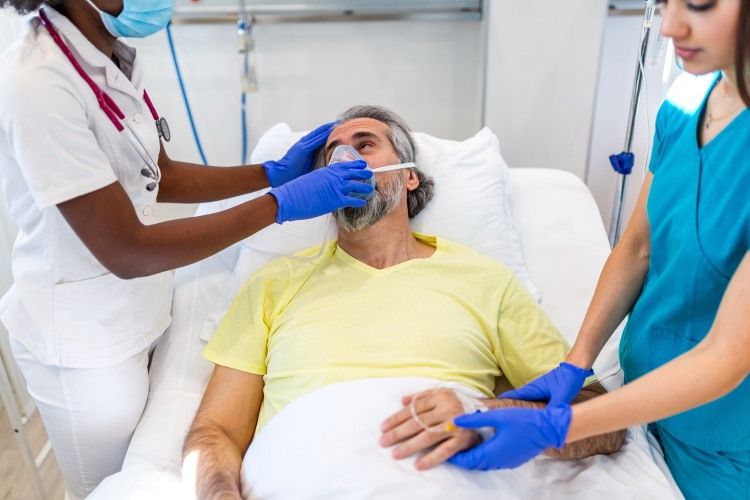
Some patients require only oxygen therapy, which provides supplemental oxygen through a nasal cannula or mask when oxygen levels are low. Others need mechanical ventilation, which actively assists breathing when the lungs cannot do enough work on their own. Some people recovering from prolonged ventilation may also have a tracheostomy, which can make long-term breathing support more comfortable and may help during recovery as breathing strength improves.
Each of these treatments serves a different purpose, and healthcare teams continually evaluate patients to determine whether breathing support can be safely reduced over time.
Rehabilitation Involves More Than Breathing
Recovery after respiratory illness focuses on rebuilding the whole person, not just improving lung function.
For example:
- Physical therapy helps improve walking, balance, endurance, and overall strength.
- Occupational therapy helps patients safely return to everyday activities such as dressing, bathing, and meal preparation.
- Speech therapy may help individuals who have difficulty swallowing, speaking after prolonged intubation, or managing cognitive changes related to critical illness.
Together, these services support personalized recovery goals based on each person's needs and progress.
The Importance of Care Coordination
Recovery often involves multiple providers across several care settings. Effective care coordination helps ensure medications, therapies, equipment, follow-up appointments, and discharge plans remain organized as patients move from one level of care to another. Strong care transitions can improve outcomes and reduce avoidable hospital readmissions.
Patient Education Helps Build Confidence
Before returning home, patients and caregivers learn how to:
- Use oxygen equipment safely
- Take medications correctly
- Practice breathing exercises
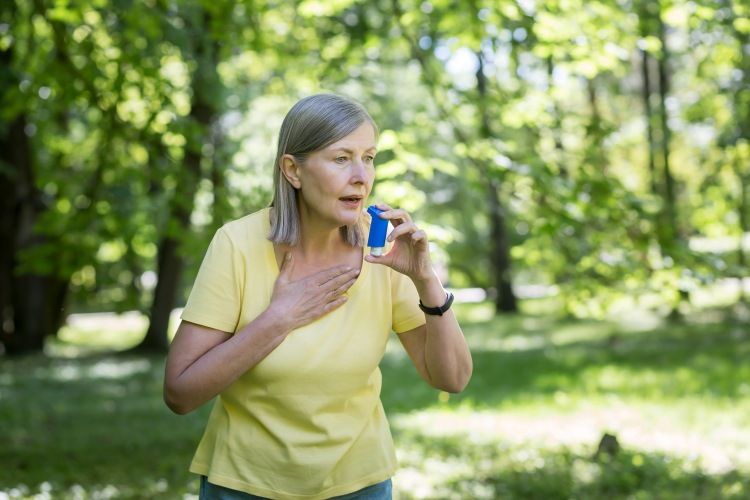
- Recognize signs of respiratory distress
- Help prevent infection
- Know when to contact a healthcare provider
This patient education helps patients and families feel more prepared to continue recovery at home.
Every Recovery Journey Is Different
Every respiratory recovery is different. Some people regain independence quickly, while others benefit from weeks or months of continued rehabilitation.
The goal is to safely restore strength, improve breathing, and help each person return to the highest possible level of independence. With the right combination of medical care, rehabilitation, and ongoing support, meaningful progress can continue long after leaving the hospital.